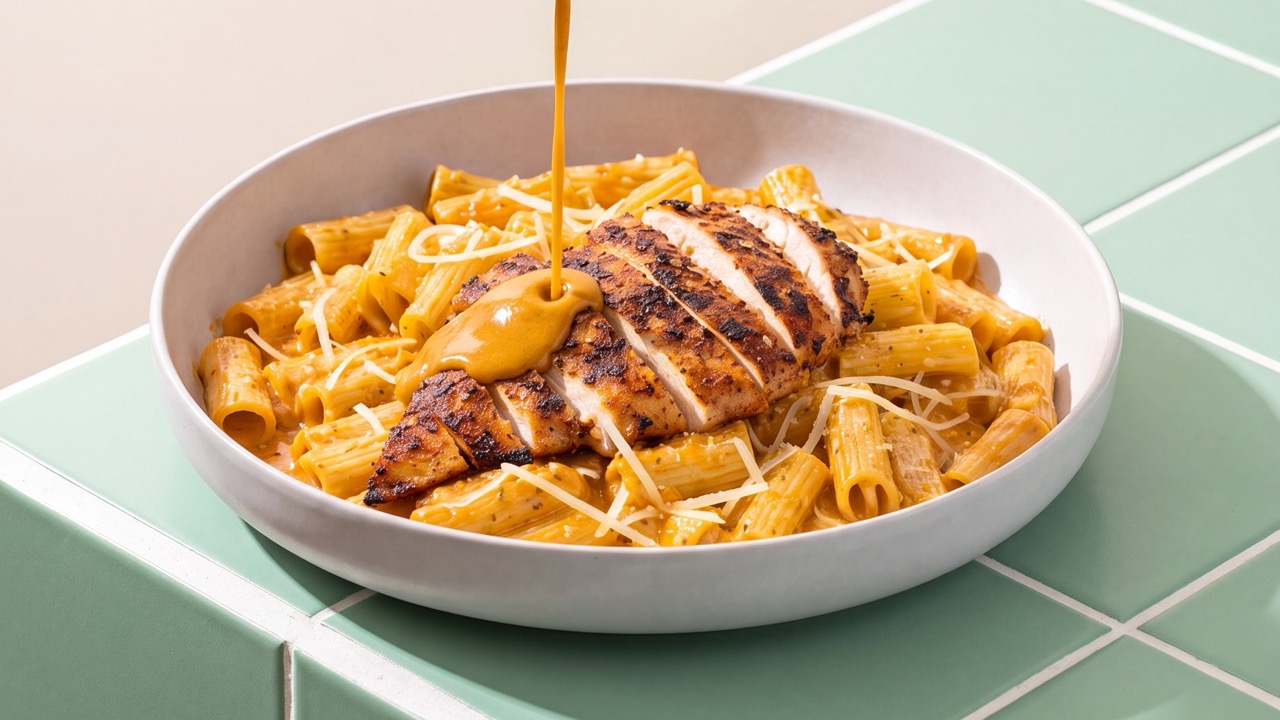
Top Foods to Eat Before and After Fasting for Energy
March 18, 2025
By Fitlab Team
Find the best pre-fasting meals in UAE to keep you energized during Ramadan. Discover hydrating, nutrient-packed foods for suhoor & iftar.

Fasting Meal Plans
Eating the right foods before and after fasting can make a big difference in your energy levels, hydration, and overall well-being during Ramadan. A well-balanced suhoor (pre-fasting meal) helps keep you full and energized, while a thoughtful iftar (post-fasting meal) replenishes lost nutrients and prevents fatigue.
Long fasting hours and warm temperatures in the UAE can make it easy to feel tired and dehydrated if you're not eating the right foods. Many people struggle with energy crashes or hunger pangs due to unbalanced meals. But with the right food choices, you can stay active, focused, and refreshed throughout the holy month.
The key is to eat slow-digesting carbs, healthy fats, and lean proteins while avoiding excessive sugar and processed foods. Hydration is just as important as nutrition. This guide will help you choose the best energy-rich foods for Ramadan, so you can build balanced meals that support your fasting journey.
If you want practical meal ideas to keep you energized, this list will help you make better food choices before and after fasting.
Best Foods to Eat Before Fasting (Suhoor)
Suhoor is your last meal before fasting, so it should provide lasting energy and hydration. Choosing nutrient-rich foods will help you stay full and avoid energy crashes.
Key Foods for Energy and Hydration
1. Protein-Packed Foods
Protein keeps you full for longer and helps with muscle recovery. Great options include:
- Eggs
- Greek yogurt
- Cottage cheese
- Nuts (almonds, walnuts, cashews)
- Lean meats (chicken, fish, turkey)
2. Complex Carbohydrates
Slow-digesting carbs give you steady energy throughout the day. Choose:
- Whole grains (brown rice, oats, quinoa, whole wheat bread)
- Legumes (lentils, chickpeas, beans)
- Sweet potatoes
3. Healthy Fats
Healthy fats support brain function and keep you satisfied. Good choices include:
- Avocados
- Olive oil
- Ghee (in moderation)
- Nuts and seeds (chia seeds, flaxseeds, sunflower seeds)
4. Hydrating Fruits & Vegetables
Fruits and veggies with high water content help keep you hydrated. Try:
- Cucumbers
- Watermelon
- Apples
- Leafy greens
- Tomatoes
5. Fluids to Stay Hydrated
Drinking plenty of fluids before fasting is essential. Best options include:
- Water (at least 2-3 glasses)
- Herbal teas (chamomile, mint, ginger tea)
- Fresh juices without added sugar
- Laban (fermented yogurt drink)
Example Suhoor Meal
- Main: Whole wheat toast with avocado and eggs
- Side: A handful of nuts and a bowl of Greek yogurt with honey
- Drink: Herbal tea or laban for hydration
Pro Tip: Add chia seeds to yogurt for extra fiber and hydration.
Best Foods to Eat After Fasting (Iftar)
After fasting all day, your body needs hydration and essential nutrients. A balanced iftar helps restore energy and prevents bloating or fatigue.
Key Foods for Replenishment
1. Dates
Eating dates is a traditional and healthy way to break your fast. They provide natural sugars for quick energy, along with fiber and essential minerals.
2. Fluids to Rehydrate
Replenishing lost fluids is key to feeling good after fasting. Best choices include:
- Water (drink slowly to avoid bloating)
- Fresh fruit juices (without added sugar)
- Coconut water
- Lentil soup or bone broth
3. Lean Proteins and Complex Carbs
Your iftar should include a mix of protein and slow-releasing carbs for steady energy. Good options:
- Grilled or baked chicken, fish, or lamb
- Brown rice, quinoa, or whole wheat bread
- Lentils and chickpeas for plant-based protein
4. Fruits and Vegetables
Fresh fruits and vegetables provide vitamins, minerals, and fiber. Try:
- Oranges, watermelon, pomegranate
- Grilled or raw vegetables (carrots, bell peppers, cucumbers)
- Leafy greens for digestion support
5. Healthy Fats
Healthy fats help keep your energy levels steady. Include:
- Nuts and seeds
- Olive oil or ghee in moderation
- Avocado slices
Example Iftar Meal
- Starter: 2-3 dates with a glass of water
- Main: Grilled chicken with brown rice and a side salad
- Drink: Fresh pomegranate juice for hydration
Pro Tip: Avoid breaking your fast with fried or heavy foods, as they can cause bloating and sluggishness.
Additional Tips for Staying Energized While Fasting
1. Prioritize Hydration
- Drink 8-10 glasses of water between iftar and suhoor.
- Include hydrating foods like cucumbers, watermelon, and yogurt in your meals.
2. Avoid Sugary & Processed Foods
- Processed sugar causes energy crashes. Instead, opt for natural sweeteners like honey or dates.
- Stay away from deep-fried snacks and heavy meals that slow digestion.
3. Eat Balanced Meals
- Combine protein, healthy fats, and complex carbs to keep your energy levels steady.
- Stick to whole, unprocessed foods for better digestion and sustained energy.
4. Get Enough Sleep
- Lack of sleep can lead to fatigue and poor food choices. Aim for at least 6-8 hours of rest each night.
5. Plan Your Meals Ahead
- Prepping suhoor and iftar meals in advance can help you make healthier choices and reduce stress during Ramadan.
FitLab: Your Partner in Healthy Ramadan Nutrition
At FitLab, we understand the importance of eating well during Ramadan. That’s why we offer customized meal plans designed to keep you energized and healthy while fasting in the UAE. Whether you need nutrient-packed suhoor ideas or balanced iftar meals, our expert nutritionists can create the perfect plan for you.
Looking for ready-to-go, energy-rich meals? FitLab’s meal services make it easy to stick to a healthy fasting routine without the hassle of meal prep.
Stay strong, hydrated, and nourished this Ramadan! Explore FitLab’s meal plans today. Visit [FitLab’s website] or contact us for expert guidance.